Renewable energy is energy from sources not based on finite resources and cannot expire. The best-known examples are wind, sun and water. In contrast, there are the fossil energy sources coal, gas and oil, whose reserves will be exhausted at some point. The expansion of renewable energy is considered a key measure in the fight against climate change.
Overview of content
What types of renewable energy are there?
To what extent can companies use renewable energy?
How do companies influence the development of renewable energy?
What impact does renewable energy currently have on the environment?
What are the future trends in renewable energy?
Which professions are involved in renewable energy?
What types of renewable energy are there?
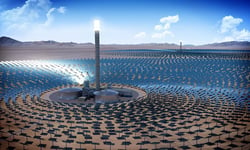
The best known and most widely developed renewable energy types are solar and wind energy. These energy sources have been used for decades, even before the need for decarbonisation was an issue. One reason for this is that, although wind and sun are not continuously available, they are available regardless of location, thus eliminating any problem with availability and transport. Hydropower has been used for much longer, even if it is not as widespread. Biomass and geothermal energy are counted as renewable energy also. So by definition, there are five types of renewable energy.
To what extent can companies use renewable energy?
Companies can use renewable energy in many ways. Solar systems on the roofs of industrial and commercial buildings are becoming increasingly important. The advantage here is that the consumption peak in companies is usually highest when it is sunniest, i.e. at midday. At the same time, companies are also increasingly turning to wind farms, which, however, cannot usually be operated directly at the company's location due to higher space requirements and more complex approval procedures. The share of renewables in global electricity generation jumped to 29% in 2020, up from 27% in 2019. China alone accounted for almost half of the global increase in renewable electricity in 2021, followed by the United States, the European Union and India.
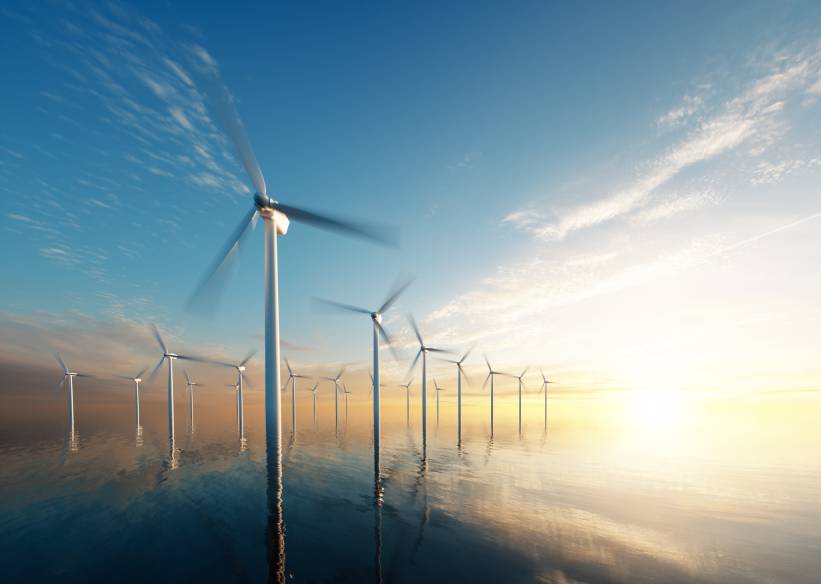
Nevertheless, there are prominent examples: For example, one of Germany's largest single electricity consumers, BASF in Ludwigshafen, is planning a large offshore wind farm in the North Sea, the energy from which will be transported to the site. Due to the location-dependency of water bodies, the use of hydropower by companies is of somewhat lesser importance.
The same applies to biomass plants, although here there are also examples where this energy production is extremely economical. This applies to companies where biomass is a waste product. The best-known example is wood-processing companies. The use of geothermal energy by companies is not yet widespread in Germany, but there are efforts to establish it more and more.
How do companies influence the development of renewable energy?
The economy has a significant influence on the development of renewable energy. In many places, it is private companies that are focusing on the increased use of renewable energy. The reasons for this is primarily the desired energy autonomy. A worldwide dwindling acceptance of fossil energy results in unpredictable price developments in the medium term. The COVID-19 crisis and the accident with the cargo ship in the Suez Canal have also shown how unstable global supply chains can be, even with fossil energy sources.
However, companies are also campaigning for an expansion of renewable energy because ecological awareness has become indispensable for their own PR and marketing strategies. Only those who pay attention to climate change and increasingly rely on renewable energy will be perceived as a serious trading partner in the medium term. At the same time, the economy is pushing not only for the expansion but also for further developing clean ways of producing energy. Because the more effectively that generation takes place, the more reliable and economically beneficial electricity generation will be.