Queensland Big Build job market
10 August 2023
infrastructure
infrastructure
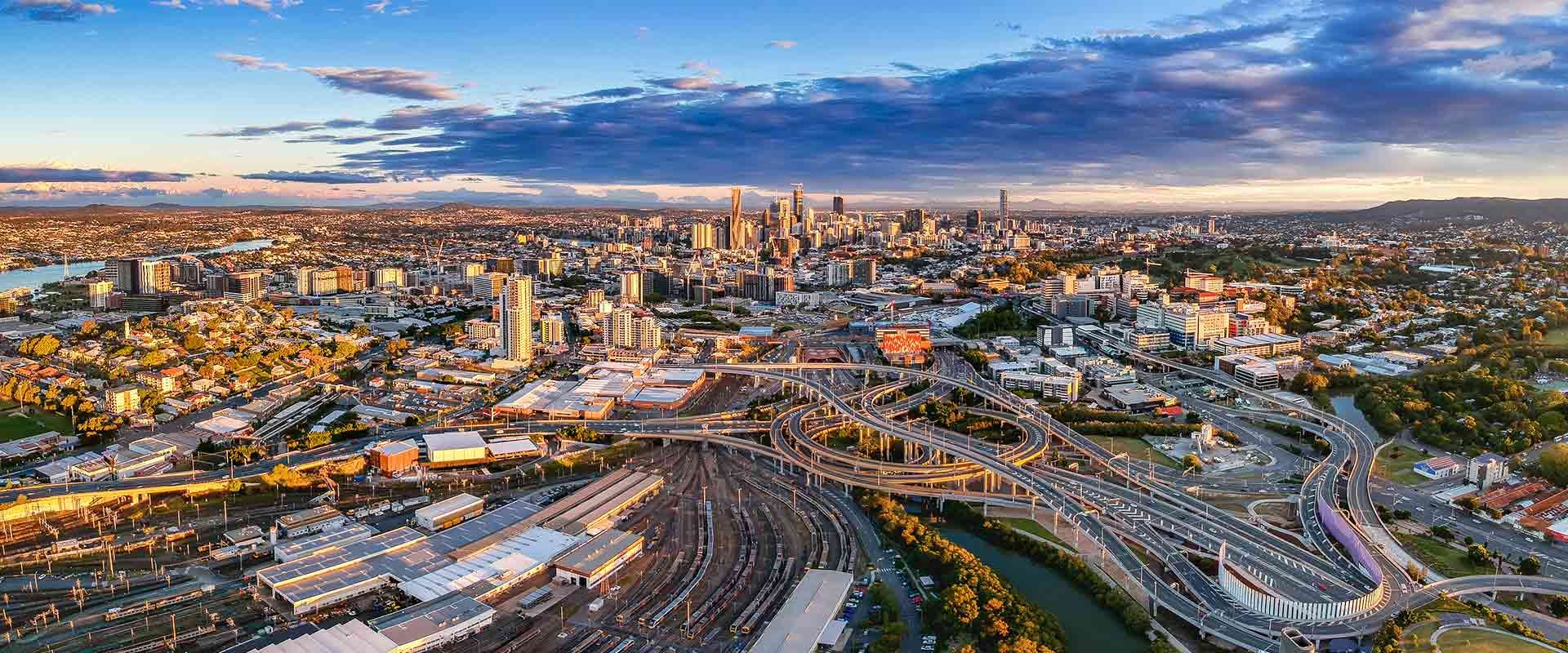
Queensland is set for explosive growth in the near future with key development programs on the horizon, including the Big Build Capital Program, the development surrounding the 2030 Olympic Games, and the Cross River Rail project, all which will spur a boom in the state’s construction and energy industries. In this article, we discuss how the Big Build project aligns with Queensland’s future growth and infrastructure development and the skills and jobs needed to support it.
The QLD Big Build is a $89 billion infrastructure investment program by the Queensland Government. It is the largest infrastructure investment in Queensland's history, and is set to transform the state over the next decade.
The Big Build includes a wide range of projects, including:
Water: The Western Corridor Recycled Water Project and the Logan River Water Treatment Plant Upgrade.
The Big Build is expected to create over 50,000 jobs and deliver long-term economic benefits for Queensland. It is also expected to improve the state's liveability by reducing congestion, improving transport, and providing access to new water and energy supplies. The state is facing a number of challenges, including population growth, climate change and economic diversification. The program will help to address these challenges, and to build a stronger, more resilient Queensland.
Some of the key benefits of the QLD Big Build project include:

Infrastructure projects at this scale require a variety of skill sets, whether it is in the planning, construction or operational phases. They also require collaboration from different sectors, including construction, civil construction, renewable energy, design consulting engineering and energy, and require a diverse range of technical skills within architecture, engineering, operations and maintenance, project management and even information technology solutions.
In-demand jobs for the Big Build project include:
Drafters
Brunel is ready to cater to the talented professionals that will migrate to the Sunshine State to take advantage of the upcoming opportunities. The partnerships we have forged with prominent energy and construction companies in Australia will allow the company to get ahead of the competition and immediately begin to source the talent that will flood into the state.

The Big Build’s significant investment will greatly impact Queensland’s economic landscape and environmental sustainability. The programs will fuel key sectors, including tourism, innovation and local commerce. Projects such as the Sunshine Coast Airport Expansion, Gold Coast Light Rail Stage 3 and CopperString 2032 are poised to refresh Queensland’s infrastructure, providing a shot in the arm for the state over the next years.
The program's integration of advanced technology in initiatives like the Brisbane Metro will likely spur innovation and attract investment to the region. The program's commitment to augmenting local businesses is palpable through the creation of job opportunities and a consequential surge in economic activity.
An important part of the program's blueprint is its commitment to sustainable practices. For example. the Cross River Rail’s use of recycled materials and low-energy lighting, and the Brisbane Metro's use of electric vehicles. The program also strives to reduce its environmental footprint. The Logan Enhancement Project's emphasis on green spaces underlines this commitment, aiming to improve air quality and mitigate flooding risks.

The Cross River Rail project is a transformative public transport infrastructure project currently underway in Brisbane, aimed at improving Brisbane’s transportation system and easing congestion. 20 kilometres of underground rail lines are currently under development, linking the city's north and south banks, with two more underground stations at Boggo Road and Woolloongabba also under construction.
Cross River Rail is projected to generate around 1,500 jobs annually during its lifespan. The expected monetary benefits of the program are expected to surpass the costs by about $2 billion. The program will address the current bottleneck by providing a second river crossing, easing the city’s trains and buses to run more smoothly and frequently.
The project will offer residents better options for their daily commute, especially those in outer suburbs, reducing travel times to the city. The project's integration with other transport initiatives, like new rail connections, roads, and busways, fosters a more convenient and efficient multi-modal transportation system.

The iconic Brisbane Gabba stadium is set to undergo a major redevelopment, increasing its capacity to 50,000 and adding new facilities, including a pedestrian walkway linking to the Cross River Rail and Brisbane Metro. The stadium's central location and existing public transport connections make it a good choice for redevelopment. It will also host the Olympic Games and Ceremonies in 2032, solidifying its significance and if all goes well leaving a lasting legacy for Brisbane. The project is a substantial investment in the city's sporting future, attracting major events and boosting the local economy.

Projects like the Big Build, Cross River Rail and Gabba redevelopment will future proof the transport system for Brisbane and improve connectivity within popular inner-city venues and areas. With the increase in investment, interest and innovation in the region, the state is sure to experience a surge of talent as professionals flock to the opportunities that will be on offer, with Brunel perfectly positioned to cater to both their needs and the needs of our clients.
From conceptual design to final completion, Brunel can help source the right people and skills behind the build for your civil infrastructure and commercial construction project.